
Research Paper Visibility Services | Improve Academic Reach
Improve research paper visibility through academic profile optimisation, publication discoverability, citation tracking, and ethical research promotion.
Introduction
Publishing a research paper is a significant achievement for PhD scholars, medical professionals, university faculty, and researchers. However, publication alone does not always ensure that the intended academic audience will discover or engage with the research.
Many researchers want their published studies to reach a wider academic community, appear correctly in scholarly databases, and contribute meaningfully to ongoing research. Improving research paper visibility can help address these challenges by making published work easier to discover, access, and evaluate.
Igeeks Technologies provides academic research support to help researchers review publication records, improve scholarly discoverability, and identify practical ways to strengthen the visibility of their published work.
What Is Research Paper Visibility?
Research paper visibility refers to how easily other researchers can discover, access, identify, and understand a published study through academic search engines, scholarly databases, institutional repositories, and professional research networks.
Visibility is influenced by several factors, including:
The relevance and clarity of the research title.
The quality of the abstract and keywords.
Accurate author and publication metadata.
Availability of permitted full-text versions.
Indexing in relevant academic databases.
Researcher profiles and institutional affiliations.
Engagement with researchers working in related subject areas.
Improving these factors can help suitable readers find your work. Increased visibility does not automatically lead to citations, but it can create more opportunities for genuine scholarly engagement.
Why Do Published Research Papers Receive Limited Attention?
Researchers may publish valuable work that remains difficult to discover for several reasons.
Incomplete Publication Records
Incorrect author names, inconsistent affiliations, missing DOIs, duplicate records, or incomplete metadata can make it harder for readers and academic platforms to identify a publication accurately.
Limited Online Research Presence
Researchers who do not maintain academic profiles or share their work through suitable scholarly channels may have fewer opportunities to reach relevant readers.
Poor Keyword Alignment
A paper may use terminology that differs from the terms other researchers enter into academic search engines. Reviewing titles, abstracts, and keywords can help improve relevance and discoverability.
Restricted Access to Research
Some papers are available only through subscriptions. Where publisher policies permit, authors can share an accepted manuscript or deposit a version in an institutional repository to improve access.
Limited Academic Outreach
Researchers may not actively communicate their findings to relevant research groups, professional associations, conferences, or academic communities.
Seven Ways to Improve Research Publication Visibility
1. Optimise Your Academic Research Profile
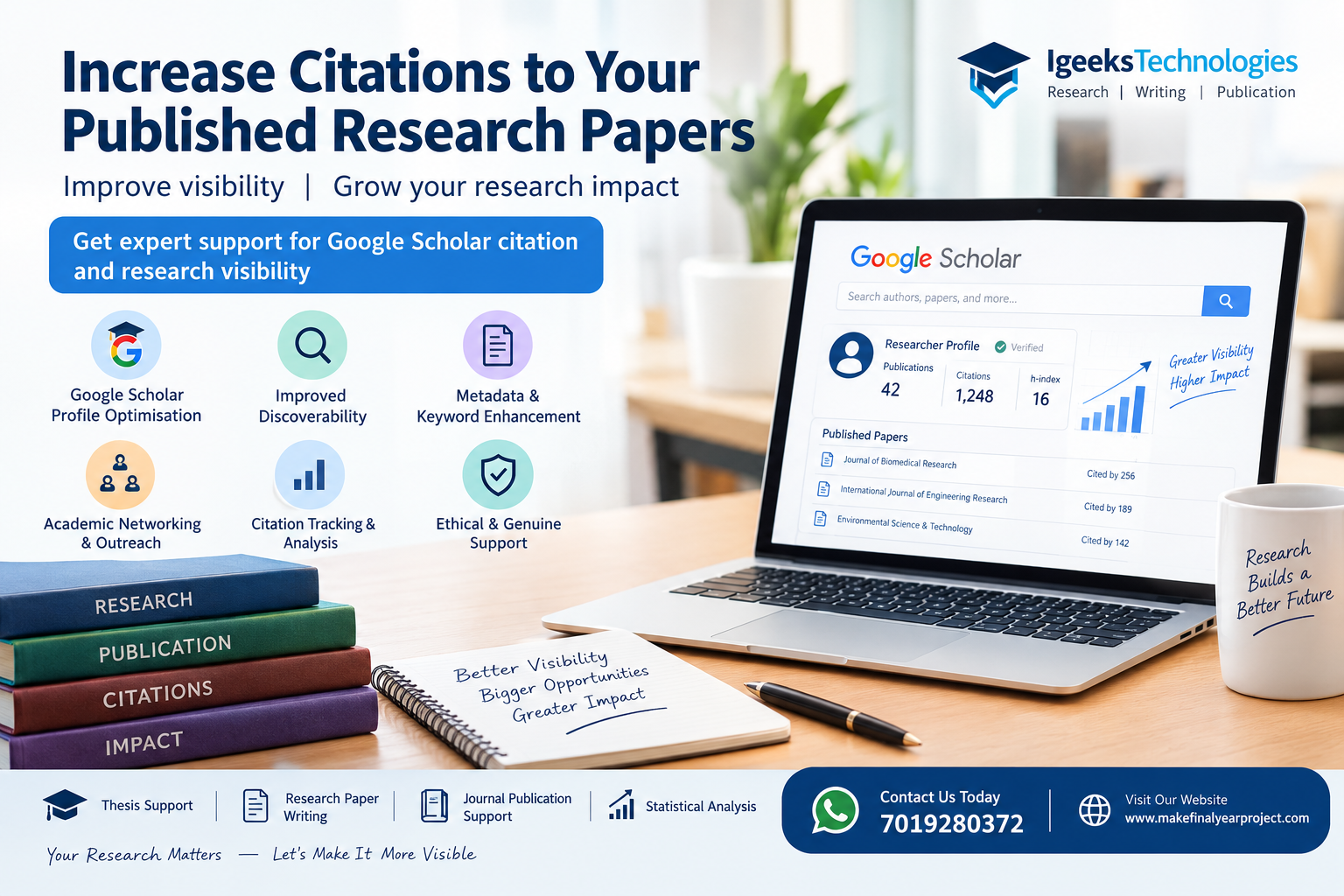
Maintain accurate profiles on appropriate scholarly platforms, such as Google Scholar, ORCID, and relevant institutional research portals.
Ensure that your publications are correctly attributed to you and that duplicate or incorrectly merged records are reviewed.
2. Improve Research Titles and Abstracts
A clear title should communicate the central research topic without unnecessary complexity. An abstract should explain the research problem, methods, principal findings, and contribution.
For already-published articles, do not change the official title or abstract independently of the journal. Request corrections from the publisher if a genuine error exists.
3. Review Research Keywords
Use accurate, discipline-specific terminology that reflects the methods, subject, application, and findings of the study. Relevant keywords help readers understand the paper’s scope and may improve its discoverability in scholarly searches.
4. Verify DOI and Database Records
Check that the DOI, author names, journal details, publication year, and other bibliographic information are consistent across publisher pages and academic profiles.
If a publication is missing from a database, verify its indexing status and follow the platform’s official correction or inclusion process.
5. Share Research Through Approved Channels
Where permitted by the publisher, share your paper through institutional repositories, academic profiles, professional websites, conference presentations, and relevant research communities.
Include the original publication link and a concise summary of the findings so that interested researchers can evaluate the work.
6. Build Genuine Academic Connections
Participate in seminars, conferences, research discussions, and collaborations relevant to your subject. Sharing useful findings with researchers working on related problems can lead to meaningful academic engagement.
Avoid reciprocal citation arrangements or requests to cite papers that are not relevant to a study.
7. Monitor Research Impact Metrics
Review available citation data and research metrics periodically. Google Scholar, Scopus, and Web of Science may report different citation counts because their coverage and indexing methods differ.
Consider citation counts alongside other measures, such as downloads where available, repository views, collaboration, and the relevance of your findings to subsequent research.
Research Paper Visibility Support for PhD Scholars and Medical Researchers
PhD scholars and medical professionals often need to manage multiple publications, research profiles, thesis requirements, and journal submissions. A structured review of their existing research records can help identify gaps in publication metadata and opportunities to improve discoverability.
Igeeks Technologies can assist researchers with the following services, depending on their requirements:
Academic profile and publication-record review.
Google Scholar publication and citation-record checks.
Research paper metadata and DOI verification.
Research discoverability recommendations.
Citation tracking and bibliometric review.
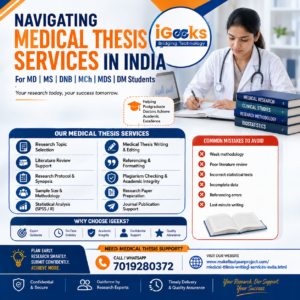
Research paper writing and editing support.
Thesis preparation and formatting.
Statistical analysis support.
Journal publication guidance.
Our focus is on improving research presentation, record accuracy, and discoverability through transparent and ethical practices.
Research Visibility and Citation Growth: Understanding the Difference
Research visibility and citation growth are related but different.
Research visibility concerns how easily relevant readers can discover and access your work.
Citation growth occurs when independent researchers refer to your work in their own scholarly publications.
A paper may become more visible without immediately receiving additional citations. Citation growth depends on factors such as research relevance, methodological quality, originality, accessibility, and how other researchers use the findings.
No service can legitimately guarantee a specific number of citations from independent researchers.
Frequently Asked Questions
How can I make my published research paper easier to find?
Review your academic profiles, publication metadata, DOI information, keywords, and permitted sharing options. Correct errors in the publisher’s records and use relevant academic channels to communicate your findings.
Does improving research visibility increase citations?
It may create more opportunities for researchers to discover your work, but citations are not guaranteed. Other researchers must independently find your paper relevant enough to cite.
Can you help with papers already published in journals?
Yes. A publication-record review can help identify metadata inconsistencies, profile errors, and potential improvements in research discoverability.
Do Google Scholar, Scopus, and Web of Science show the same citation count?
No. Each platform has different coverage and indexing processes, so citation counts and publication records may differ.
What details should I share for a research visibility review?
Share your paper title, DOI or publisher link, research discipline, Google Scholar profile link if available, and the specific visibility or citation-record issue you are experiencing.
Get Help Improving Your Research Visibility
Your published research deserves to be discoverable by the academic community that can learn from it and build upon it.
Igeeks Technologies supports researchers with publication-record reviews, academic research assistance, citation tracking, thesis support, statistical analysis, and research paper writing.
Contact Igeeks Technologies
WhatsApp: 7019280372
Website: https://www.makefinalyearproject.com
Share your published paper details to discuss your research visibility requirements.